Archives
- 2026-09
- 2026-08
- 2026-07
- 2026-06
- 2026-05
- 2026-04
- 2026-03
- 2026-02
- 2026-01
- 2025-12
- 2025-11
- 2025-10
- 2025-09
- 2025-03
- 2025-02
- 2025-01
- 2024-12
- 2024-11
- 2024-10
- 2024-09
- 2024-08
- 2024-07
- 2024-06
- 2024-05
- 2024-04
- 2024-03
- 2024-02
- 2024-01
- 2023-12
- 2023-11
- 2023-10
- 2023-09
- 2023-08
- 2023-07
- 2023-06
- 2023-05
- 2023-04
- 2023-03
- 2023-02
- 2023-01
- 2022-12
- 2022-11
- 2022-10
- 2022-09
- 2022-08
- 2022-07
- 2022-06
- 2022-05
- 2022-04
- 2022-03
- 2022-02
- 2022-01
-
Most of lipid lowering agents have many
2024-05-10
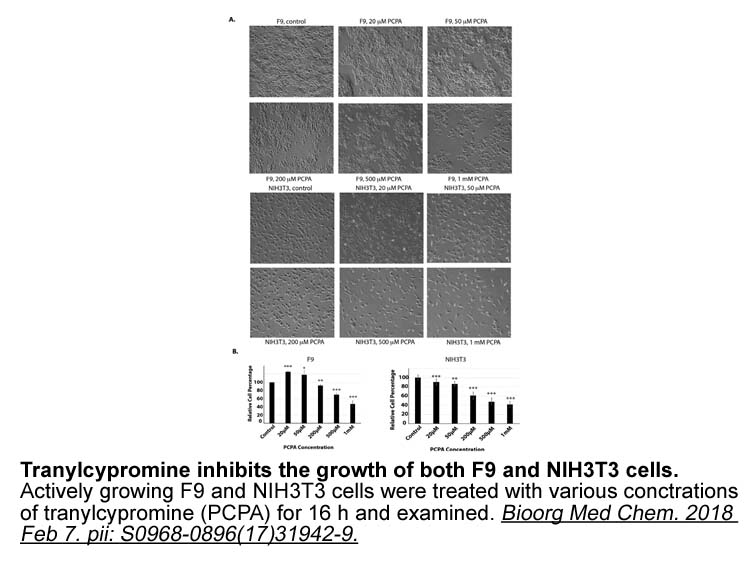
Most of lipid-lowering agents have many therapeutic problems with severe side effects, while dietary fibers as lipid lowering therapy are safer. Chitosan (CS) is a dietary fiber biodegradable, biocompatible and has many health benefits including wound healing, antiinflammatory, anti-cancers, immune-
-
br Application of bamboo in the food
2024-05-10
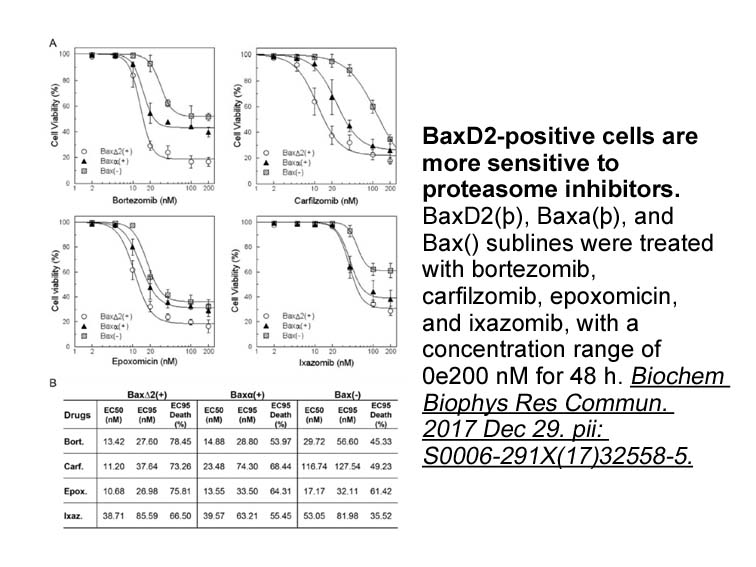
Application of bamboo in the food and pharmaceutical industry For decades, the application of antioxidants in the food and pharmaceutical industry has been widespread. In the past, antioxidants were previously used to control oxidation and retard spoilage but today, many are used because of putat
-
br Materials and methods br Results br Discussion In
2024-05-10
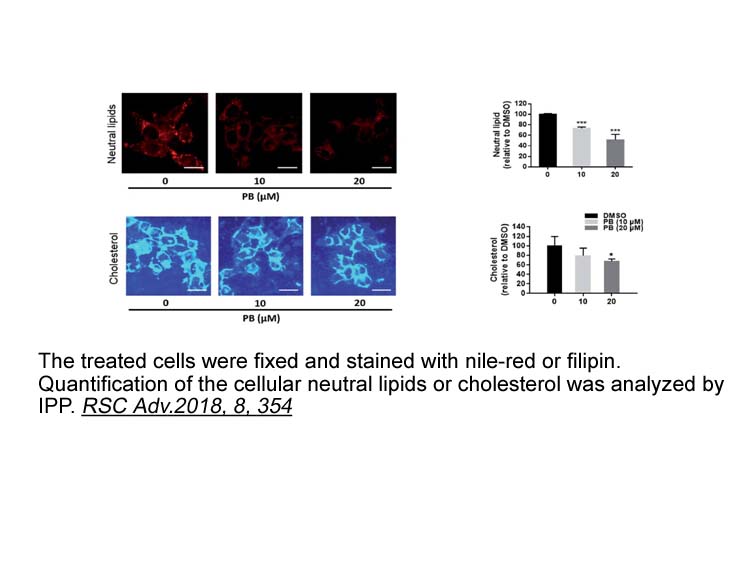
Materials and methods Results Discussion In this study, the orphan receptor GPR25 was cloned from several representative vertebrate species including zebrafish. Although the overall amino valdecoxib sequence identity among these species is not high (38–52%), our synteny analysis clearly in
-
Prolonged duration of antimicrobial agents is also associate
2024-05-10
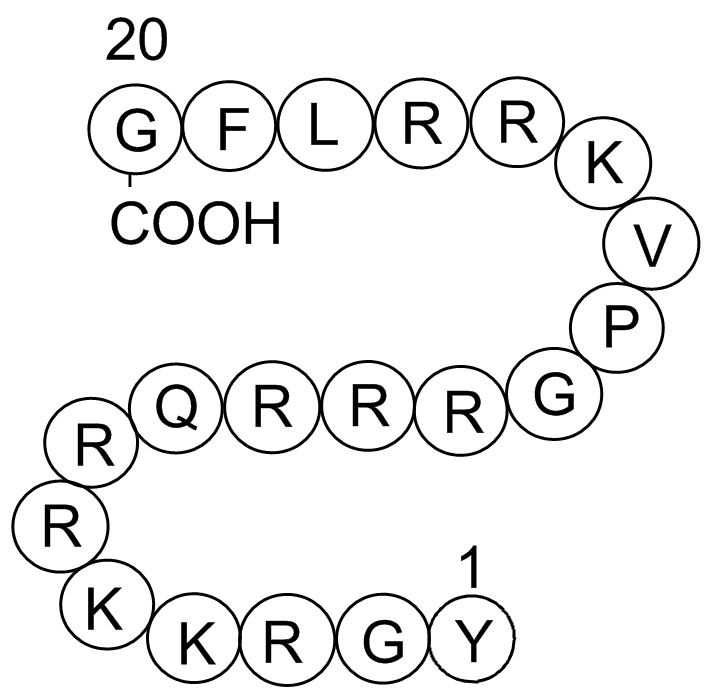
Prolonged duration of antimicrobial agents is also associated with increased risk of CDI by extending the time disruption of normal enteric flora. This emphasizes the importance for clinicians to adhere to shorter durations of therapy. Although longer durations of therapy are associated with a great
-
Under some pathological conditions AT R internalization is
2024-05-10
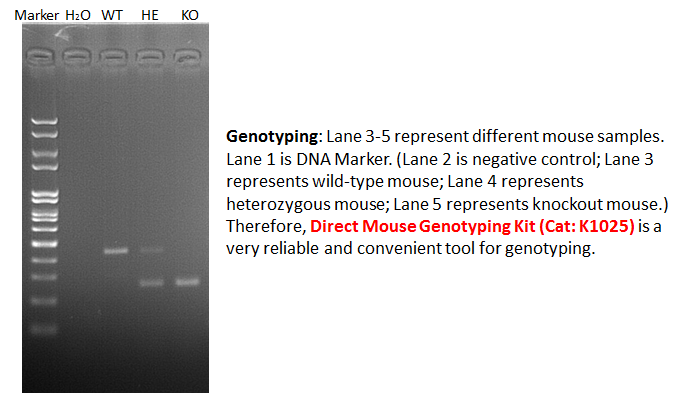
Under some pathological conditions, AT1R internalization is decreased when agonist exposure is prolonged. This weakens or removes the AT1R desensitization effect and leads to AT1R and downstream signal overactivation. AT1R overactivation can result in continued biological effects such as sustained v
-
To investigate the potential link between
2024-05-09
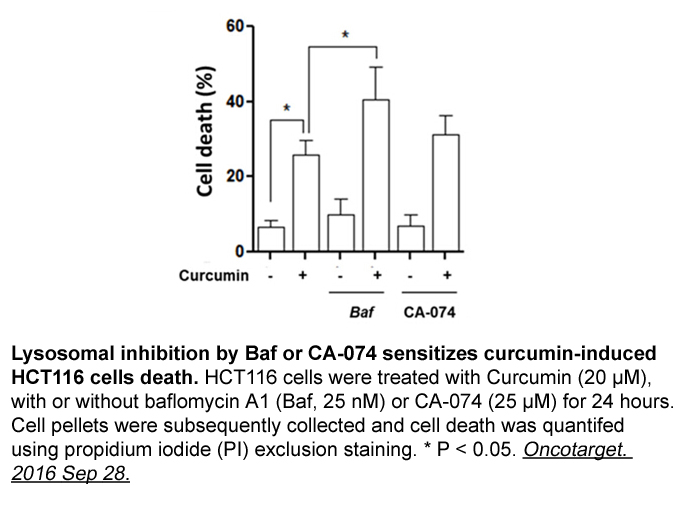
To investigate the potential link between Gβγ and MT assembly in vivo, cultured NIH3T3 and PC12 cells were used. The role of Gβγ in MT assembly was demonstrated using nocodazole, a MT depolymerizing drug [14]. We found that Gβγ was preferentially bound to MTs in NIH3T3 and PC12 cells and treatment w
-
YM201636 Introduction Diabetic nephropathy is a rapidly grow
2024-05-09
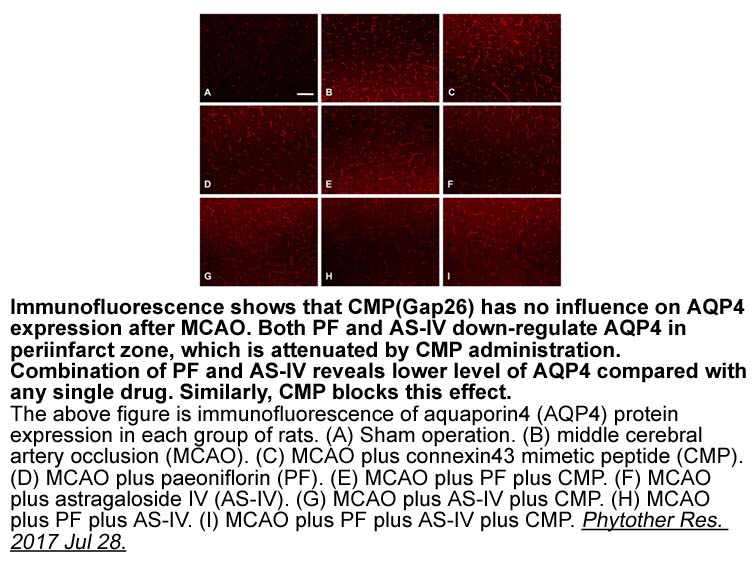
Introduction Diabetic nephropathy is a rapidly growing cause of end-stage renal disease [1]. Glomerular, tubular and vascular toxicity resulting from hyperglycemia (glucotoxicity) have been evaluated extensively at the molecular level as contributing factors for diabetic nephropathy [[1], [2], [3]]
-
The relatively high concentration of HT used in this
2024-05-09
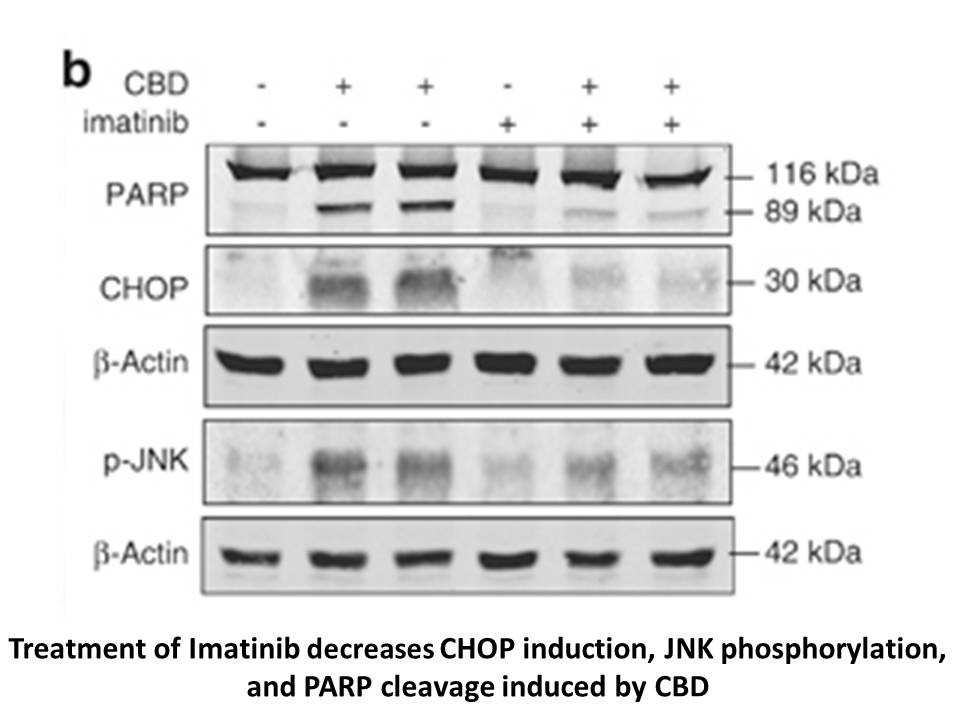
The relatively high concentration of 5-HT used in this study (100 µM) is consistent with the concentrations used in other published ex vivo studies (Ropert and Guy, 1991, Passani et al., 1994, Shen and Andrade, 1998). In our paradigm 5-HT was focally applied at the surface of the slice via a fast pe
-
A weakness of our technique
2024-05-09
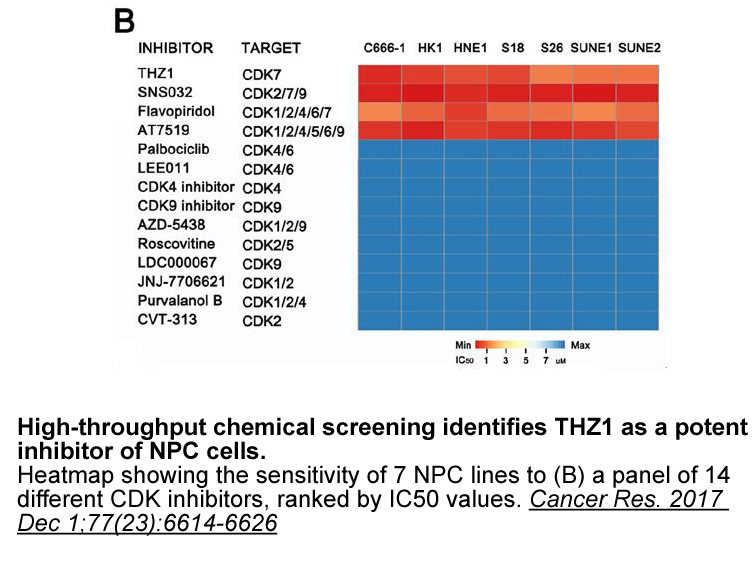
A weakness of our technique is that during the early post-operative period without the scaffold of an enteric channel patients can be at risk for traumatic or difficult catheterization, with 3 of 6 requiring a visit. This appeared to be offset by having skilled and educated housestaff capable of rec
-
Bioactive peptides contain amino acids with possible bioacti
2024-05-09
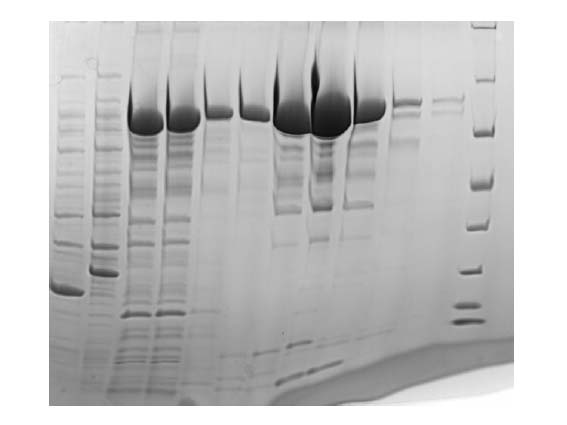
Bioactive peptides contain 2–20 amino acids with possible bioactivities including antihypertensive, antioxidant, antimicrobial, anticancer, and opioid activity [9], [10], [11]. There has been a great interest in antihypertensive peptides for their efficiency in lowering blood pressure. The antihyper
-
br Identification of the kinase that phosphorylates P c The
2024-05-09
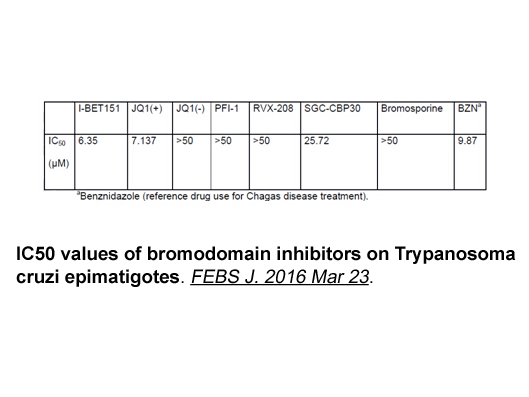
Identification of the kinase that phosphorylates P450c17 The first Ser/Thr kinase that phosphorylates P450c17 was identified only recently. Of the 518 kinases in the human ‘kinome’ 278 are Ser/Thr kinases (Manning et al., 2002), but microarrays identified only 145 Ser/Thr kinases in human NCI-H29
-
Regarding brain tumors AXL has been implicated in gliomagene
2024-05-09
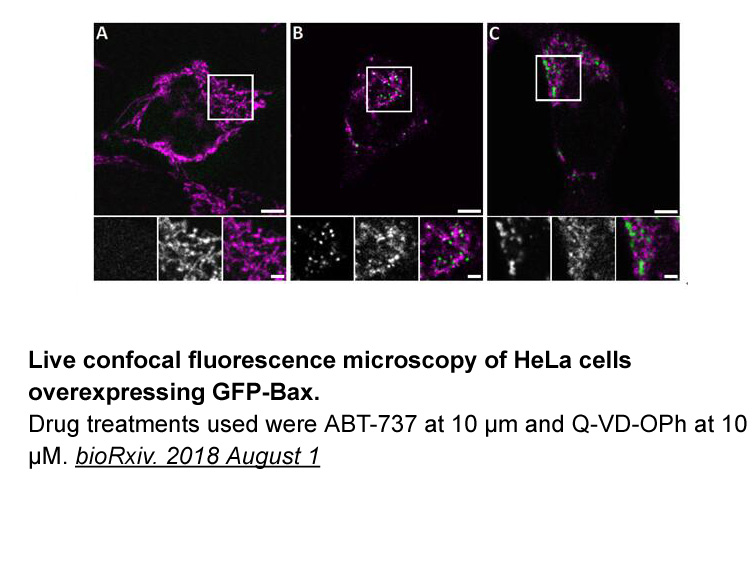
Regarding E 64 tumors, AXL has been implicated in gliomagenesis and chemoresistance [39]. Previous investigations found that AXL is constitutively phosphorylated in many glioma cell lines, murine xenograft tumors and primary patient tumor samples [40]. Immunohistochemical analysis of AXL and Gas6 d
-
In conclusion AXL overexpression preexisted in a
2024-05-09
In conclusion, AXL overexpression preexisted in a subgroup of treatment-naive lung adenocarcinoma specimens harboring an activating EGFR mutation or in those with wild-type EGFR. Anti-AXL therapeutics delivered up front in combination with the EGFR inhibitor might overcome intrinsic or acquired resi
-
br Results br Discussion Our
2024-05-09
Results Discussion Our finding that AXL overexpression is significantly associated with poor survival in patients with high-grade serous OC is consistent with previous reports indicating that AXL regulates tumor growth in some cancers, as well as reports showing that AXL activity is involved i
-
Physiological total plasma LPA levels are normally less than
2024-05-09

Physiological total plasma LPA levels are normally less than 1μM in healthy subjects. LPA levels have been reported to be increased in malignant effusions or plasma in cancer patients [20]. In addition, increasing ATX activity detected in healthy pregnant women in the third trimester of pregnancy ex
8466 records 183/565 page Previous Next First page 上5页 181182183184185 下5页 Last page